
How to Tell the Difference Between Eczema and Other Skin Conditions
- posted: May 16, 2025
Aberdeen Dermatology Associates in Aberdeen, SD, led by Dr. Ty Hanson, treats a wide range of skin concerns, including eczema. Skin conditions often share similar symptoms, making it challenging to identify the exact cause of irritation. Understanding the differences between eczema and other common conditions is essential for finding the right treatment and relief.
What Does Eczema Look Like?
Eczema, or atopic dermatitis, is a chronic condition that often appears as dry, red, and itchy patches of skin. It can affect people of all ages, though it is most common in children. Eczema tends to flare up in response to triggers such as stress, allergens, or changes in weather. The itchiness can be severe, and scratching often worsens the condition, leading to cracked or oozing skin. It typically appears in specific areas, such as the insides of elbows, behind the knees, or on the hands and face.
How Is Eczema Different from Psoriasis?
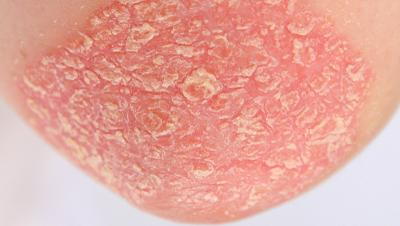
Psoriasis is another condition that can resemble eczema but has distinct characteristics. Psoriasis patches are usually thicker and covered with silvery scales, giving them a different texture and appearance. These patches are commonly found on the scalp, elbows, and knees, areas where eczema is less likely to occur. While psoriasis can cause discomfort, it is generally less itchy than eczema, making itchiness a key factor in distinguishing between the two conditions.
Could It Be Contact Dermatitis?
Contact dermatitis occurs when the skin reacts to an irritant or allergen, such as a new soap, detergent, or piece of jewelry. This condition causes redness, itching, and sometimes blisters, which can make it look similar to eczema. However, contact dermatitis is usually temporary and resolves once the irritant is identified and avoided. Eczema, on the other hand, is a chronic condition that requires ongoing management to control flare-ups and symptoms.
Other Conditions That Mimic Eczema
Fungal infections, such as ringworm, can also be mistaken for eczema due to their red and irritated appearance. Ringworm often forms circular patches with clearer skin in the center, creating a distinct “ring” shape that sets it apart from eczema. Rosacea is another condition that can cause redness and bumps, but it is typically limited to the face and does not come with the intense itchiness associated with eczema. These subtle differences highlight the importance of a professional diagnosis to ensure proper treatment.
Contact Aberdeen Dermatology Associates
For expert care and guidance, contact Aberdeen Dermatology Associates in Aberdeen, SD. Whether it’s eczema or another skin condition, their team is ready to help you find answers and relief. Call (605) 226-0560 to schedule an appointment and take the first step toward healthier, more comfortable skin.
- posted: May 16, 2025
Aberdeen Dermatology Associates in Aberdeen, SD, led by Dr. Ty Hanson, treats a wide range of skin concerns, including eczema. Skin conditions often share similar symptoms, making it challenging to identify the exact cause of irritation. Understanding the differences between eczema and other common conditions is essential for finding the right treatment and relief.
What Does Eczema Look Like?
Eczema, or atopic dermatitis, is a chronic condition that often appears as dry, red, and itchy patches of skin. It can affect people of all ages, though it is most common in children. Eczema tends to flare up in response to triggers such as stress, allergens, or changes in weather. The itchiness can be severe, and scratching often worsens the condition, leading to cracked or oozing skin. It typically appears in specific areas, such as the insides of elbows, behind the knees, or on the hands and face.
How Is Eczema Different from Psoriasis?
Psoriasis is another condition that can resemble eczema but has distinct characteristics. Psoriasis patches are usually thicker and covered with silvery scales, giving them a different texture and appearance. These patches are commonly found on the scalp, elbows, and knees, areas where eczema is less likely to occur. While psoriasis can cause discomfort, it is generally less itchy than eczema, making itchiness a key factor in distinguishing between the two conditions.
Could It Be Contact Dermatitis?
Contact dermatitis occurs when the skin reacts to an irritant or allergen, such as a new soap, detergent, or piece of jewelry. This condition causes redness, itching, and sometimes blisters, which can make it look similar to eczema. However, contact dermatitis is usually temporary and resolves once the irritant is identified and avoided. Eczema, on the other hand, is a chronic condition that requires ongoing management to control flare-ups and symptoms.
Other Conditions That Mimic Eczema
Fungal infections, such as ringworm, can also be mistaken for eczema due to their red and irritated appearance. Ringworm often forms circular patches with clearer skin in the center, creating a distinct “ring” shape that sets it apart from eczema. Rosacea is another condition that can cause redness and bumps, but it is typically limited to the face and does not come with the intense itchiness associated with eczema. These subtle differences highlight the importance of a professional diagnosis to ensure proper treatment.
Contact Aberdeen Dermatology Associates
For expert care and guidance, contact Aberdeen Dermatology Associates in Aberdeen, SD. Whether it’s eczema or another skin condition, their team is ready to help you find answers and relief. Call (605) 226-0560 to schedule an appointment and take the first step toward healthier, more comfortable skin.
Primary Location
3 Lafayette Street South,
Aberdeen, SD 57401-5524
Office Hours
Monday
8:00 am - 4:00 pm
Tuesday
8:00 am - 4:00 pm
Wednesday
8:00 am - 4:00 pm
Thursday
8:00 am - 4:00 pm
Friday
8:00 am - 12:00 pm
Saturday
Closed
Sunday
Closed