
Understanding Skin Cancer Surgery: What You Need to Know
- posted: Sep. 08, 2025
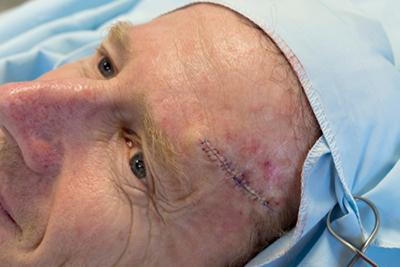
Hearing the words skin cancer can feel overwhelming, but today’s treatments are more effective and precise than ever before. For many patients, skin cancer surgery is the most reliable way to remove cancerous cells and restore skin health. At Aberdeen Dermatology Associates in Aberdeen, SD, Dr. Ty Hanson and his team specialize in diagnosing and treating skin cancers with a focus on both effectiveness and patient comfort.
Why Skin Cancer Surgery Is Often Recommended
Skin cancer surgery remains one of the most trusted treatment methods because it physically removes the cancerous tissue. Unlike topical medications or radiation, surgery provides immediate confirmation that the cancer has been removed and allows the tissue to be examined under a microscope.
Surgery is often recommended for:
- Basal cell carcinoma
- Squamous cell carcinoma
- Some cases of melanoma
- Skin cancers that have recurred or are located in sensitive areas
Types of Skin Cancer Surgery
There isn’t just one approach to skin cancer surgery. Depending on the type, size, and location of the cancer, a dermatologist may recommend:
- Excisional surgery – Removing the cancer along with a margin of surrounding healthy tissue.
- Mohs surgery – A highly precise technique where thin layers of skin are removed and examined until no cancer remains, often used for delicate areas like the face.
- Curettage and electrodessication – Scraping away the cancer cells and sealing the area with heat.
Dr. Hanson will discuss the best option for your individual case, ensuring both effective treatment and careful cosmetic results.
What to Expect During Recovery
Recovery depends on the type of surgery performed. Some patients may only need a few stitches and a bandage, while others may require follow-up visits to monitor healing. In most cases, discomfort is minimal and can be managed with simple at-home care. Your dermatologist will provide detailed instructions on how to keep the surgical site clean and protected.
When to See a Dermatologist
Early detection makes a huge difference in skin cancer treatment. If you notice new or changing moles, spots that don’t heal, or unusual growths, it’s important to schedule a skin check. Routine screenings help catch cancer at its earliest stage, when surgery is most successful.
For compassionate, expert skin cancer care in Aberdeen, SD, contact Aberdeen Dermatology Associates at (605) 226-0560 to schedule a consultation with Dr. Ty Hanson.
- posted: Sep. 08, 2025
Hearing the words skin cancer can feel overwhelming, but today’s treatments are more effective and precise than ever before. For many patients, skin cancer surgery is the most reliable way to remove cancerous cells and restore skin health. At Aberdeen Dermatology Associates in Aberdeen, SD, Dr. Ty Hanson and his team specialize in diagnosing and treating skin cancers with a focus on both effectiveness and patient comfort.
Why Skin Cancer Surgery Is Often Recommended
Skin cancer surgery remains one of the most trusted treatment methods because it physically removes the cancerous tissue. Unlike topical medications or radiation, surgery provides immediate confirmation that the cancer has been removed and allows the tissue to be examined under a microscope.
Surgery is often recommended for:
- Basal cell carcinoma
- Squamous cell carcinoma
- Some cases of melanoma
- Skin cancers that have recurred or are located in sensitive areas
Types of Skin Cancer Surgery
There isn’t just one approach to skin cancer surgery. Depending on the type, size, and location of the cancer, a dermatologist may recommend:
- Excisional surgery – Removing the cancer along with a margin of surrounding healthy tissue.
- Mohs surgery – A highly precise technique where thin layers of skin are removed and examined until no cancer remains, often used for delicate areas like the face.
- Curettage and electrodessication – Scraping away the cancer cells and sealing the area with heat.
Dr. Hanson will discuss the best option for your individual case, ensuring both effective treatment and careful cosmetic results.
What to Expect During Recovery
Recovery depends on the type of surgery performed. Some patients may only need a few stitches and a bandage, while others may require follow-up visits to monitor healing. In most cases, discomfort is minimal and can be managed with simple at-home care. Your dermatologist will provide detailed instructions on how to keep the surgical site clean and protected.
When to See a Dermatologist
Early detection makes a huge difference in skin cancer treatment. If you notice new or changing moles, spots that don’t heal, or unusual growths, it’s important to schedule a skin check. Routine screenings help catch cancer at its earliest stage, when surgery is most successful.
For compassionate, expert skin cancer care in Aberdeen, SD, contact Aberdeen Dermatology Associates at (605) 226-0560 to schedule a consultation with Dr. Ty Hanson.
Primary Location
3 Lafayette Street South,
Aberdeen, SD 57401-5524
Office Hours
Monday
8:00 am - 4:00 pm
Tuesday
8:00 am - 4:00 pm
Wednesday
8:00 am - 4:00 pm
Thursday
8:00 am - 4:00 pm
Friday
8:00 am - 12:00 pm
Saturday
Closed
Sunday
Closed