
Melanoma Warning Signs: What Dermatologists Want You to Notice Early
- posted: Dec. 11, 2025
Melanoma is the most serious form of skin cancer, and recognizing changes early gives patients the best chance for successful treatment. Although melanoma can develop anywhere on the body, it often begins in areas exposed to the sun, such as the face, arms, and legs. In some cases, it may appear in places that receive little sun exposure. At Aberdeen Dermatology Associates in Aberdeen, SD, serving Ipswich and Groton, patients receive guidance on how to identify concerning skin changes and when to seek a dermatology evaluation.
The ABCDE Guide to Moles
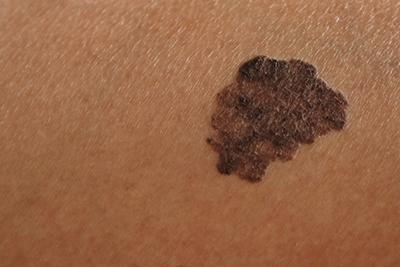
Dermatologists often recommend a straightforward method for recognizing changes that may suggest melanoma. This approach is known as the ABCDE guide, with each letter representing a key feature to assess:
A – Asymmetry – When one half of a mole looks different from the other.
B – Border – The edges of the mole appear irregular, uneven, or blurred.
C – Color – The mole contains more than one color, such as black, brown, red, or other shades.
D – Diameter – The mole is larger than the width of a pencil eraser.
E – Evolving – The mole is changing in size, shape, or symptoms, such as itching, pain, or bleeding.
If a mole or spot meets any of these criteria, or you feel unsure about its appearance, schedule a visit with a dermatologist for a professional evaluation. Sudden changes in the size or shape of a mole can be important, but even small differences may matter if the mole looks unlike your usual pattern of skin spots.
Spots That Look Different
Many melanomas appear as new dark spots on the skin. Some may grow from moles that have been present for years. One helpful strategy when monitoring your skin is to watch for moles that stand out from the rest, often called “the ugly duckling” sign. This refers to a mole that looks noticeably different—larger, irregularly shaped, or containing multiple colors compared with other moles on your body. Any sign of itching, pain, or bleeding should also prompt an evaluation from a qualified health care provider.
Skin Checks at Home and in the Office
Routine skin checks help patients notice changes early. Examining the skin once a month allows you to track current moles and spot new ones. Using good lighting and a mirror can help view the back, scalp, or other areas that are harder to see. During a dermatology visit, the specialist evaluates moles across the body and may recommend digital imaging or a biopsy if anything appears unusual.
Biopsies are quick procedures that provide a clear diagnosis. If melanoma is identified, treatment planning begins immediately, offering the best chance of a positive outcome.
Specialists Serving Aberdeen, Ipswich, and Groton
Understanding melanoma warning signs makes it easier to seek care when it matters most. At Aberdeen Dermatology Associates in Aberdeen, SD, patients receive detailed skin evaluations and education to support early detection. If you have noticed a mole that is changing or simply want a professional screening, call (605) 226-0560 to schedule a visit.
- posted: Dec. 11, 2025
Melanoma is the most serious form of skin cancer, and recognizing changes early gives patients the best chance for successful treatment. Although melanoma can develop anywhere on the body, it often begins in areas exposed to the sun, such as the face, arms, and legs. In some cases, it may appear in places that receive little sun exposure. At Aberdeen Dermatology Associates in Aberdeen, SD, serving Ipswich and Groton, patients receive guidance on how to identify concerning skin changes and when to seek a dermatology evaluation.
The ABCDE Guide to Moles
Dermatologists often recommend a straightforward method for recognizing changes that may suggest melanoma. This approach is known as the ABCDE guide, with each letter representing a key feature to assess:
A – Asymmetry – When one half of a mole looks different from the other.
B – Border – The edges of the mole appear irregular, uneven, or blurred.
C – Color – The mole contains more than one color, such as black, brown, red, or other shades.
D – Diameter – The mole is larger than the width of a pencil eraser.
E – Evolving – The mole is changing in size, shape, or symptoms, such as itching, pain, or bleeding.
If a mole or spot meets any of these criteria, or you feel unsure about its appearance, schedule a visit with a dermatologist for a professional evaluation. Sudden changes in the size or shape of a mole can be important, but even small differences may matter if the mole looks unlike your usual pattern of skin spots.
Spots That Look Different
Many melanomas appear as new dark spots on the skin. Some may grow from moles that have been present for years. One helpful strategy when monitoring your skin is to watch for moles that stand out from the rest, often called “the ugly duckling” sign. This refers to a mole that looks noticeably different—larger, irregularly shaped, or containing multiple colors compared with other moles on your body. Any sign of itching, pain, or bleeding should also prompt an evaluation from a qualified health care provider.
Skin Checks at Home and in the Office
Routine skin checks help patients notice changes early. Examining the skin once a month allows you to track current moles and spot new ones. Using good lighting and a mirror can help view the back, scalp, or other areas that are harder to see. During a dermatology visit, the specialist evaluates moles across the body and may recommend digital imaging or a biopsy if anything appears unusual.
Biopsies are quick procedures that provide a clear diagnosis. If melanoma is identified, treatment planning begins immediately, offering the best chance of a positive outcome.
Specialists Serving Aberdeen, Ipswich, and Groton
Understanding melanoma warning signs makes it easier to seek care when it matters most. At Aberdeen Dermatology Associates in Aberdeen, SD, patients receive detailed skin evaluations and education to support early detection. If you have noticed a mole that is changing or simply want a professional screening, call (605) 226-0560 to schedule a visit.
Primary Location
3 Lafayette Street South,
Aberdeen, SD 57401-5524
Office Hours
Monday
8:00 am - 4:00 pm
Tuesday
8:00 am - 4:00 pm
Wednesday
8:00 am - 4:00 pm
Thursday
8:00 am - 4:00 pm
Friday
8:00 am - 12:00 pm
Saturday
Closed
Sunday
Closed