
Scar Management: Techniques for Minimizing the Appearance of Scars
- posted: Mar. 24, 2026
Scars
Scars are a natural part of the skin’s healing process after injury, surgery, acne, or inflammation. While many scars fade gradually over time, some remain more visible or affect skin texture. At Aberdeen Dermatology Associates in Aberdeen, SD, dermatologic care focuses on evaluating scars and discussing options that may help improve their appearance. Understanding how scars form and what treatments are available can help patients make informed decisions about their skin.
How Scars Develop
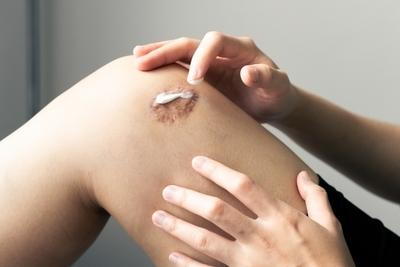
Scars form when the skin repairs itself after an injury that reaches deeper layers of tissue. During healing, the body produces collagen to close and strengthen the affected area. This process may leave a mark that looks different from the surrounding skin.
The final appearance of a scar can depend on several factors, including the depth of the injury, the location on the body, and how the skin heals. Some scars remain flat and fade with time, while others may appear raised, thickened, or indented.
Types of Scars
Different types of scars can develop depending on how the skin heals. Hypertrophic scars are raised scars that remain within the boundaries of the original injury. Keloid scars grow beyond the original wound area and may appear thicker or more prominent.
Atrophic scars are often associated with acne or certain skin conditions and appear as small depressions in the skin. Surgical scars may vary in appearance based on the procedure and the body’s healing response.
Approaches to Scar Management
Scar management often involves a combination of dermatologic techniques tailored to the type of scar and the patient’s skin characteristics. Treatment options may include laser therapy, light-based treatments, injectable therapies, or specialized dermatologic procedures designed to improve skin texture.
Medical-grade skincare products and topical treatments may also support the appearance of healing skin. Dermatologists evaluate each case carefully before recommending a treatment approach.
The Importance of Early Evaluation
When scars are evaluated early in the healing process, patients may have more options for improving the appearance of the affected area. Dermatologists assess scar thickness, color changes, and skin texture before recommending treatment.
A personalized care plan can help address cosmetic concerns while supporting healthy skin recovery.
Schedule a Dermatology Consultation in Aberdeen, SD
If you are concerned about the appearance of scars, professional dermatologic evaluation can help you explore available options. Aberdeen Dermatology Associates in Aberdeen, SD, provides care focused on improving skin appearance and supporting long-term skin health. To schedule a consultation, call (605) 226-0560 and learn more about scar management options.
- posted: Mar. 24, 2026
Scars
Scars are a natural part of the skin’s healing process after injury, surgery, acne, or inflammation. While many scars fade gradually over time, some remain more visible or affect skin texture. At Aberdeen Dermatology Associates in Aberdeen, SD, dermatologic care focuses on evaluating scars and discussing options that may help improve their appearance. Understanding how scars form and what treatments are available can help patients make informed decisions about their skin.
How Scars Develop
Scars form when the skin repairs itself after an injury that reaches deeper layers of tissue. During healing, the body produces collagen to close and strengthen the affected area. This process may leave a mark that looks different from the surrounding skin.
The final appearance of a scar can depend on several factors, including the depth of the injury, the location on the body, and how the skin heals. Some scars remain flat and fade with time, while others may appear raised, thickened, or indented.
Types of Scars
Different types of scars can develop depending on how the skin heals. Hypertrophic scars are raised scars that remain within the boundaries of the original injury. Keloid scars grow beyond the original wound area and may appear thicker or more prominent.
Atrophic scars are often associated with acne or certain skin conditions and appear as small depressions in the skin. Surgical scars may vary in appearance based on the procedure and the body’s healing response.
Approaches to Scar Management
Scar management often involves a combination of dermatologic techniques tailored to the type of scar and the patient’s skin characteristics. Treatment options may include laser therapy, light-based treatments, injectable therapies, or specialized dermatologic procedures designed to improve skin texture.
Medical-grade skincare products and topical treatments may also support the appearance of healing skin. Dermatologists evaluate each case carefully before recommending a treatment approach.
The Importance of Early Evaluation
When scars are evaluated early in the healing process, patients may have more options for improving the appearance of the affected area. Dermatologists assess scar thickness, color changes, and skin texture before recommending treatment.
A personalized care plan can help address cosmetic concerns while supporting healthy skin recovery.
Schedule a Dermatology Consultation in Aberdeen, SD
If you are concerned about the appearance of scars, professional dermatologic evaluation can help you explore available options. Aberdeen Dermatology Associates in Aberdeen, SD, provides care focused on improving skin appearance and supporting long-term skin health. To schedule a consultation, call (605) 226-0560 and learn more about scar management options.
Primary Location
3 Lafayette Street South,
Aberdeen, SD 57401-5524
Office Hours
Monday
8:00 am - 4:00 pm
Tuesday
8:00 am - 4:00 pm
Wednesday
8:00 am - 4:00 pm
Thursday
8:00 am - 4:00 pm
Friday
8:00 am - 12:00 pm
Saturday
Closed
Sunday
Closed