
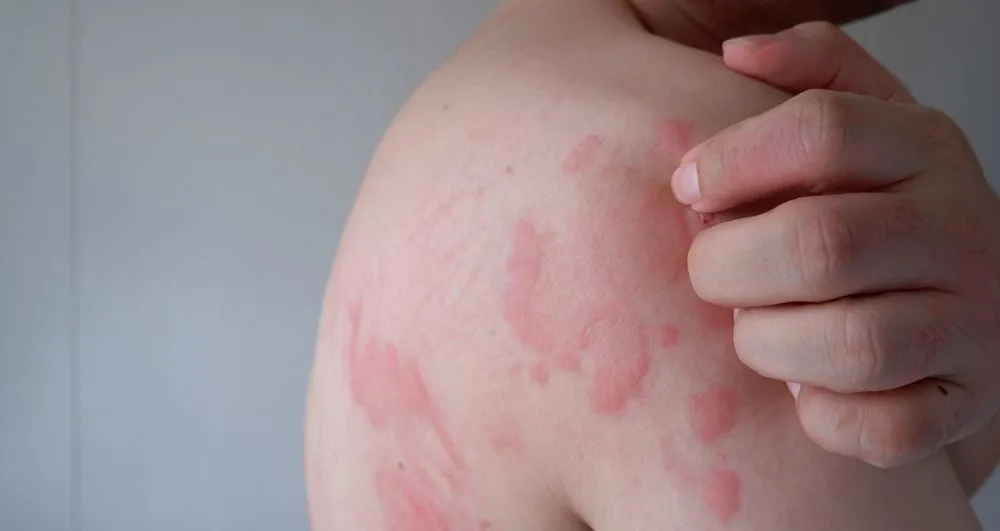
Hives are one of those skin conditions that can seem to appear out of nowhere. These raised, red, or flesh-colored welts can itch, burn, or sting, and may move from one part of the body to another within hours. At Aberdeen Dermatology Associates, Dr. Ty Hanson and his team provide expert evaluation and treatment to help patients from Aberdeen and surrounding communities find relief and understand what’s causing their outbreaks.
What Are Hives?
Hives—also known as urticaria—occur when the body releases histamine in response to a trigger. This causes small blood vessels under the skin to leak fluid, creating swollen, itchy welts. Hives can be:
- Small, individual bumps
- Large patches formed by bumps merging
- Short-lived (lasting hours)
- Recurrent (coming and going over days)
They can appear anywhere on the body, including the face, trunk, limbs, and even inside the mouth.
Common Causes of Hives
Hives can develop for many reasons, and sometimes the cause isn’t immediately clear. Common triggers include:
- Foods: peanuts, shellfish, eggs, dairy
- Medications: antibiotics, aspirin, ibuprofen
- Environmental allergens: pollen, pet dander, insect stings
- Temperature changes: heat, cold, sun exposure
- Fragrances: lotions, soaps, detergents
- Infections: viral or bacterial
- Illness or stress
- Airborne allergens
In some cases, parasites or underlying medical conditions may play a role.
Acute vs. Chronic Hives
Acute Hives
- Last less than six weeks
- Often linked to a specific trigger (food, medication, infection)
Chronic Hives
- Last longer than six weeks
- May come and go without an easily identifiable cause
- Often require more detailed evaluation and management
When to See a Dermatologist
While mild hives sometimes fade on their own, you should schedule a visit if:
- Hives recur frequently
- Welts last more than a few days
- Symptoms interfere with sleep or daily activities
- Over-the-counter treatments aren’t helping
Seek emergency care immediately if you experience:
- Swelling of the lips, tongue, or throat
- Difficulty breathing
- Dizziness or fainting
These may be signs of a serious allergic reaction.
How Hives Are Diagnosed
Your provider may:
- Review your medical history and possible triggers
- Ask questions about foods, medications, skincare products, and recent illnesses
- Perform skin tests or allergy testing if needed
Identifying the cause—when possible—is the best way to prevent future outbreaks.
Treatment Options
Treatment is tailored to the severity and cause of your hives. Options may include:
- Antihistamines-Often the first step in controlling itching, redness, and swelling.
- Prescription Medications For more persistent or severe cases, stronger antihistamines or other prescription treatments may be used.
- Corticosteroids Short-term use may be recommended for hives that are especially severe or lingering.
- Trigger Management Keeping a journal of foods, activities, medications, and environmental exposures can help identify patterns and prevent flare-ups.
Take Control of Your Skin Health
With professional care and a bit of detective work, many patients are able to minimize outbreaks and feel more in control of their symptoms. If you’re experiencing hives or frequent skin reactions, Aberdeen Dermatology Associates is here to help.
Call us today at (605) 226-0560 to schedule an appointment.