
Skin Cancer

Skin Cancer Care: Diagnosis, Treatment, And Prevention
Skin cancer is the most common form of cancer in the United States—but when detected early and treated appropriately, it’s also one of the most curable. At Aberdeen Dermatology Associates, we are committed to delivering advanced, compassionate skin cancer care for individuals and families. Under the expert leadership of Dr. Ty Hanson, patients receive personalized, evidence-based treatments aimed at protecting both your skin and your peace of mind.
What Is Skin Cancer?
Skin cancer occurs when abnormal skin cells begin to grow uncontrollably. The three most common types are:

- Basal Cell Carcinoma (BCC): The most frequently diagnosed type. It grows slowly and rarely spreads.
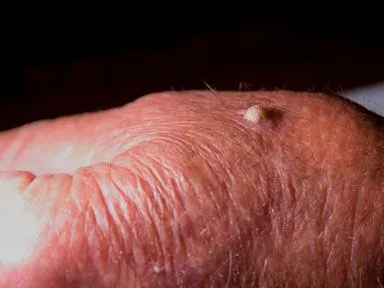
- Squamous Cell Carcinoma (SCC): Often appears on sun-exposed areas and can grow more aggressively.

- Melanoma: A less common but more dangerous form of skin cancer that can spread quickly if not caught early.
Each type of skin cancer behaves differently, making early detection critical to successful treatment.
Signs And Symptoms To Watch For

When checking your skin, use the ABCDE rule to assess any moles or lesions:
- A – Asymmetry: One half of the mole doesn't match the other.
- B – Border: Irregular, scalloped, or poorly defined edges.
- C – Color: Variations in color, including different shades of brown, black, or even red, white, or blue.
- D – Diameter: Larger than 6mm (about the size of a pencil eraser).
- E – Evolving: Changes in size, shape, color, or symptoms (itching, bleeding).
Additional Warning Signs:
- New or changing moles
- Sores that don’t heal
- Scaly, red patches
- Raised bumps that bleed or crust
- Pearly or translucent growths
If you notice any of these signs, it’s time for a professional evaluation. Our team provides Full-Skin Exams using advanced diagnostic tools to accurately assess any suspicious lesions.
Comprehensive Treatment Options
At Aberdeen Dermatology Associates, every treatment plan is customized to the patient’s specific condition, goals, and overall health. Options include:
- Curettage and Electrodesiccation
- Excisional surgery
- Cryosurgery (freezing therapy)
- Superficial Radiation Therapy
- Mohs surgery referrals for high-risk or recurrent cancers
- Topical chemotherapy or immunotherapy

Our goal is to remove cancer effectively while preserving as much healthy skin and natural appearance as possible.
Radiation Therapy For Non-Melanoma Skin Cancers
For certain basal cell and squamous cell carcinomas—especially those in sensitive or hard-to-treat areas—Image Guided-SRT offers a safe, non-invasive alternative to surgery. This method uses targeted energy beams to destroy cancer cells without damaging surrounding tissue. IG-SRT uses SRT technology with ultrasound images to find, measure, and treat the skin cancer cells and see it shrink over time to be sure the cancer is cured.
Radiation therapy may be ideal for:
- Patients who are not good surgical candidates
- Tumors in cosmetically delicate areas (e.g., face, ears)
- Large Tumor
Benefits of Radiation Therapy:
- No Anesthesia
- No Surgery
- No Scarring
- No Downtime

Radiation is delivered in a series of precisely controlled sessions. Dr. Hanson collaborates with trusted specialists to ensure coordinated, high-level care throughout the treatment process.
Skin Cancer Care You Can Trust
We recommend routine skin exam at least once per year, especially for those with risk factors like fair skin, frequent sun exposure, or a personal/family history of skin cancer.
Whether you need a diagnosis, treatment, or long-term follow-up care, Aberdeen Dermatology Associates is here to guide you with expert knowledge and compassionate support. Dr. Ty Hanson and his team of providers bring deep dermatological expertise and a patient-centered approach to every case.
Let’s work together towards a healthier, cancer-free future. Call 605-226-0560 to schedule an appointment.